
Twilight Saga Rankings
Hoa-Hoa-Hoa Season: The Twilight Saga Ranked
**SPOILERS**
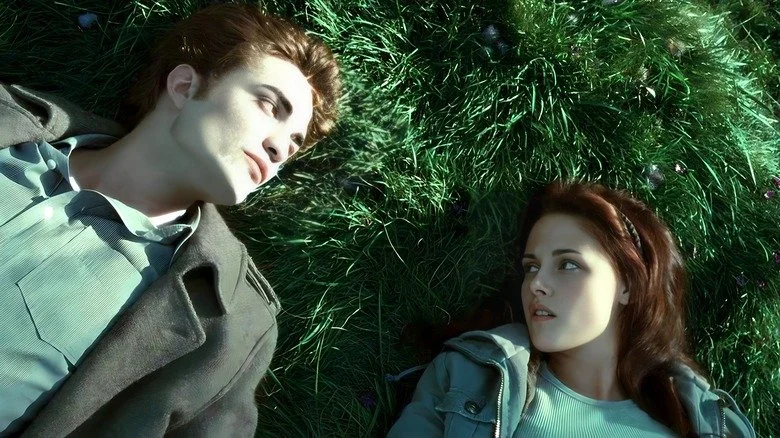
You know, I didn’t mean for my break from film criticism to be so long, but sometimes you procrastinate too much on that Weapons review you wanted to write, and here we are.
Today I share my experience of Hoa Hoa Season, in which I was roped into joining my sister Cate’s yearly rewatch of the Twilight Saga. My history with Twilight is a bit complicated. When I was younger and first getting familiar with filmmaking and the wider community of movie nerds in the early 2010s, Twilight was one of the internet’s biggest punching bags, probably only second to Michael Bay. As an impressionable youth, I jumped on the bandwagon there, despite having a limited knowledge of the films outside of the widely mocked bits. By now, the world has moved on to newer punchlines, Robert Pattinson and Kristen Stewart both have proved their acting ability enough to cast off Twilight’s shadow, and overall Twilight has faded from the public consciousness. Therefore, I felt that Cate’s special occasion marked a good opportunity to give these films a fair shake, and see if perhaps they were treated a little unfairly.
Cate is not going to be happy with this ranking. I really tried, I swear.
Having taken the time to watch the films and really think about them, I have to be honest. The Twilight Saga is a mess. That being said, frequently changing creative teams behind the scenes causes the quality to vary between films, meaning they don’t always share the same problems, some of them even improving on others in ways. Therefore, I decided the best way to review and compare these films was a ranking (as opposed to five separate reviews. I just. I just don’t want to guys).
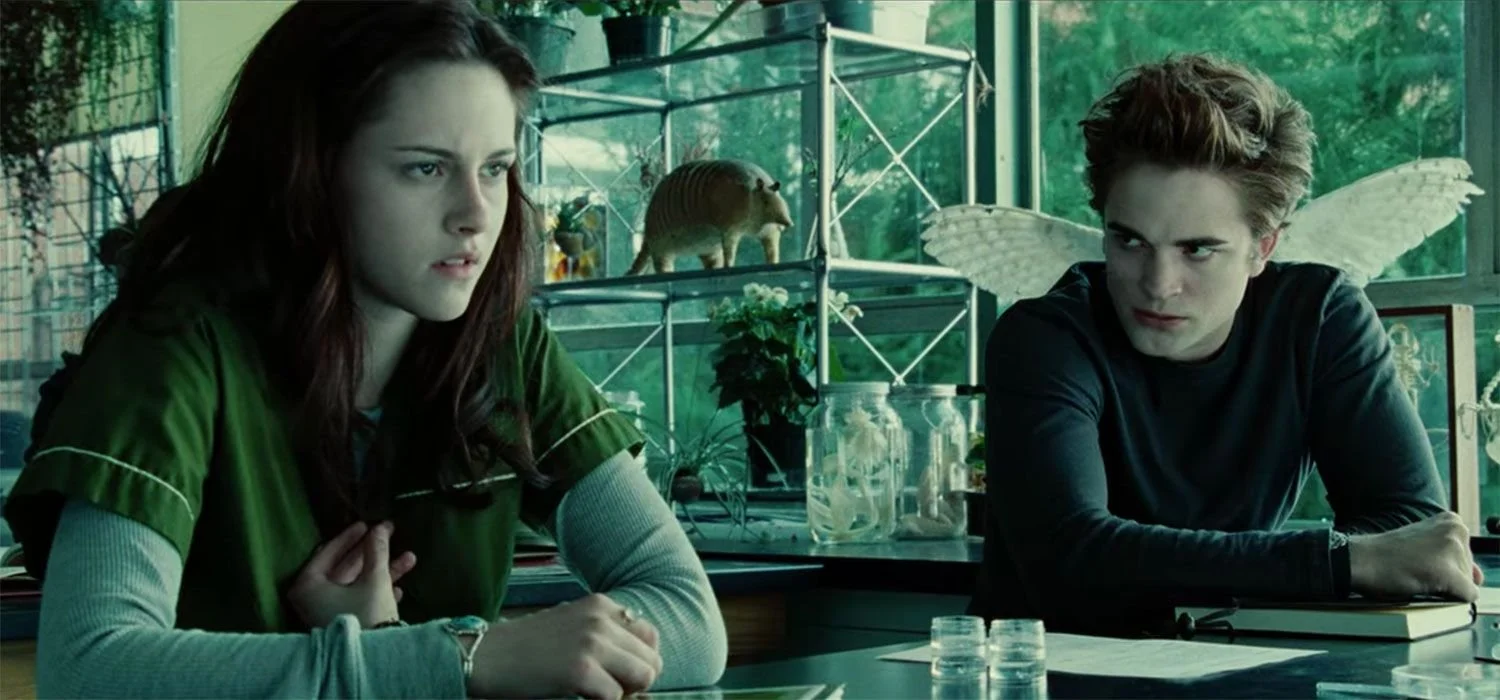
Before I start, it should be noted that the writing in these films is a consistent flaw. The self serious tone is the biggest problem, with the films being very insistent that the romance at the center of these films is very deep, and the relationship between Bella and Edward is the most important thing in the world, making it feel removed from any sense of reality and genuine human emotion. In the end, it becomes very hard to take any of it seriously. This isn’t helped by the lack of chemistry between Edward and Bella, which is frankly damning in what is, at its core, primarily a romance. The pair just aren’t given many opportunities to act like a couple. In a series where most of the stakes are centered around the future of this romance, requiring the audience to emotionally connect with and root for the love story to work out, you need humanizing elements for people to latch onto, beyond meaningful looks and “intense” passion. A sense of humor. Some shared jokes. Occasional laughter. What I’m saying is, drive home the idea that these people actually enjoy each other’s presence. I’m not even sure they smile at each other more than 10 times throughout all five movies. (NOTE: Almost forgot to mention the many instances of concerning behavior from all three of our romantic leads. There’s a lot of unhealthy behavior seen here that none of the films treat like a problem.)
The direction here leaves something to be desired, although that’s one thing in particular that will vary between films. All this to say, I don’t think many of the issues with this saga are the fault of the actors. Kristen Stewart and Taylor Lautner in particular really feel like they’re trying to go for something solid here, they just aren’t being given much to work with (Robert Pattinson seems like he’s trying too at times, but I think he mostly gave up after the first movie). All in all, it rarely comes off as a lack of ability, and more so actors fighting against lackluster direction to deliver something worthwhile.
______________________________________________________________________
That being said, my other significant thoughts are reserved for individual films, so it’s probably a good time to get into the ranking.
5. New Moon: 2/10
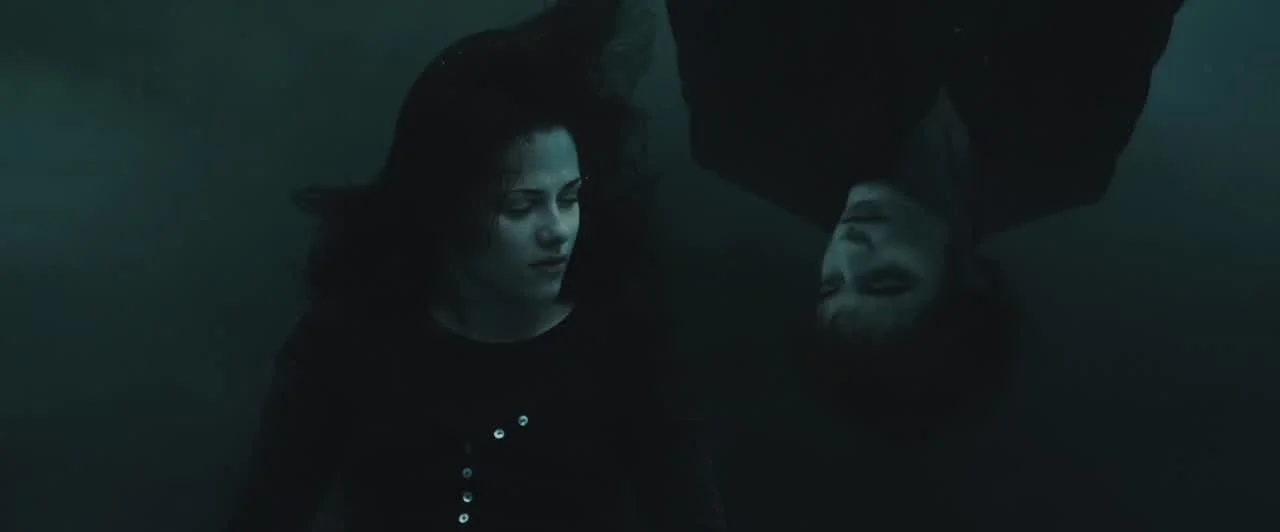
Bella Swan at her most infuriating. Robert Pattinson at his least invested. The wigs at their most unnecessary.
Even Cate doesn’t like New Moon that much. It’s an incredibly meandering film that really just follows Bella after Edward decides to break up with her (to protect her), which Bella responds to in increasingly unhealthy ways. Bella is easily the biggest problem here, as she spends the film putting herself in dangerous situations because she thinks Edward is psychically watching over her and she wants his attention. I don’t think I need to explain why this is unhinged and should be seen as a massive red flag, but for a protagonist that was already hard to connect with in the first movie, watching her consistently make horrible decisions throughout the second makes her incredibly frustrating.
It also doesn’t help that the stakes feel hilariously low. I mean the stakes always feel pretty low in Twilight, but even if you doubt that the central couple in this romantic fantasy are going to get back together by the end of the second movie, it’s still pretty hard to worry about the relationship when the chemistry just hasn’t been there so far. After the first movie failed to sell it, New Moon seems to hardly even bother. While earlier on I blamed the writing (and the writing is still a bit at fault), Robert Pattinson really isn’t helping here. I got the sense he was trying in the first movie, but here he really seems to not care. When he breaks up with Bella at the beginning, and Kristen Stewart is working to sell the moment, Pattinson’s Edward barely shows any emotional reaction. It’s well known that the stars of Twilight really didn’t like Twilight that much, but in New Moon it’s clear that Pattinson is very over it. Even with very little screen time (Edward and his family head off to Europe for most of the movie), Pattinson’s disinterest leaves a lasting impression.
But perhaps the most damning element of New Moon is I just have nothing much else to say about it. [1] While the first movie had a lot of ridiculous creative choices that are fun to laugh at, at least they’re memorable. New Moon takes away a lot of the goofy aesthetics, but doesn’t replace them with anything that stands out. In the end, it’s just a forgettable movie that doesn’t really go anywhere and only infuriates me most of the time.
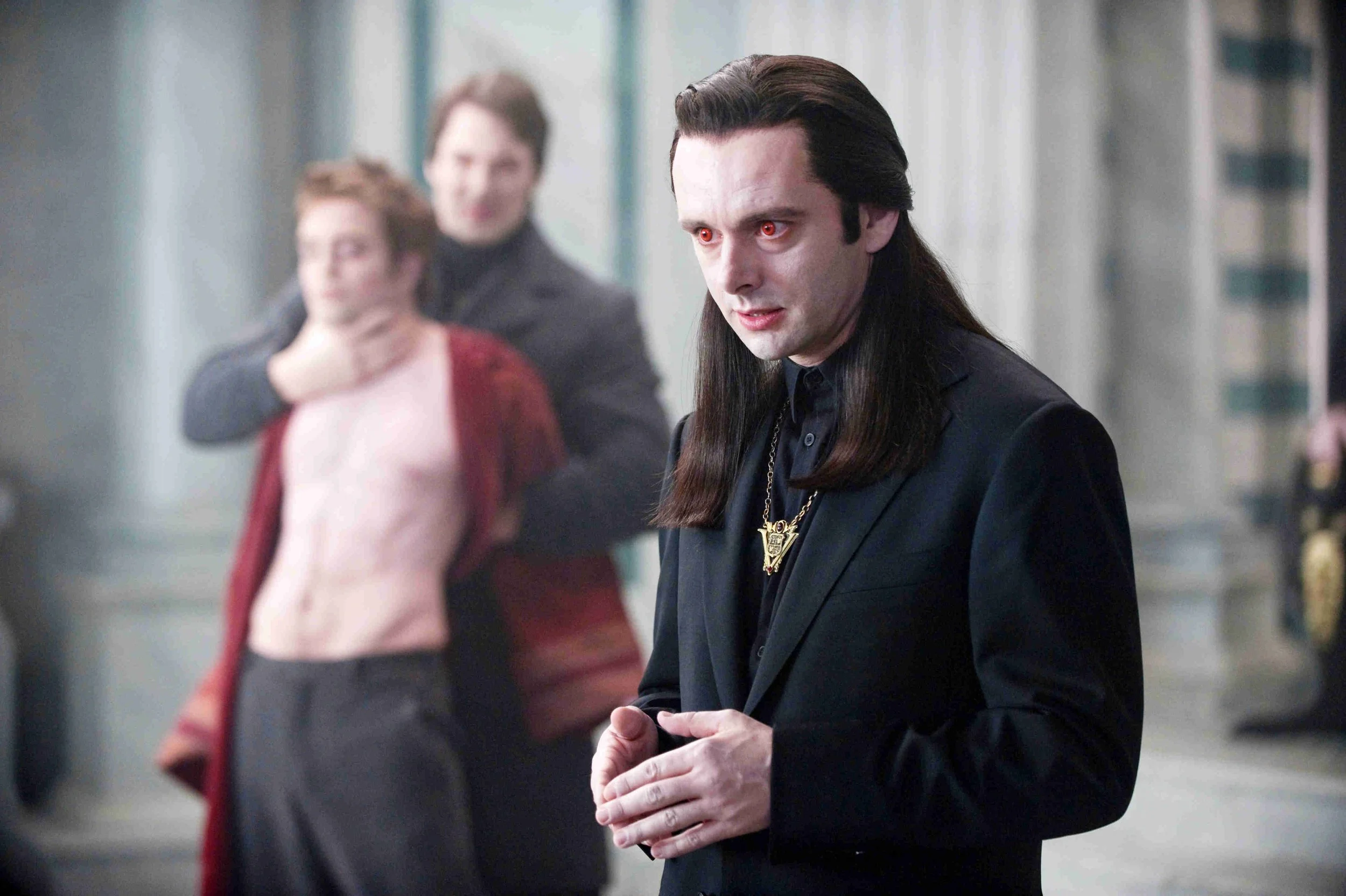
If there are any positives, Taylor Lautner is actually doing alright at acting here. He never convincingly conveys anger, but other than that he has some level of charisma and an authentic relationship with Bella. Kristen Stewart is still fighting the material and direction to make Bella something other than an angsty dramatic teen. And this movie did have the virtue of introducing the series’ shining high point, Michael Sheen as Aro, our overarching villain, who seems to be the only one who understood the assignment and is having all the fun here. So, small wins I guess?
4. Breaking Dawn: Part 1: 3/10
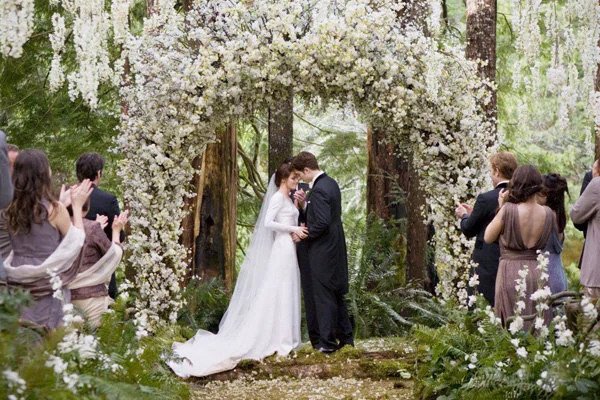
When the final book in a series is adapted into two films, the two films are never going to feel complete on their own, because, well, they’re obviously not complete. However, they’re still being presented in a format where they have to justify their existence with only half the story (keep in mind, the reason this happens is almost always to maximize profits). While the second half can often get a better reception, the first half, burdened with presenting the build up, while padding it out enough to warrant an entire runtime dedicated to it, all without the intended conclusion, never seems to fare well.
Breaking Dawn: Part 1 is an excellent example of this. The core of the film is Edward and Bella getting married, going on their honeymoon, Bella getting pregnant suddenly, and the family trying to work out how to handle the birth.[2] While these moments are significant to the story, they just aren’t enough to fill out a 2 hour runtime on their own. As a result, Part 1 is a slog to get through. If this was shrunk down with Part 2 for a 3 hour movie, Breaking Dawn as a whole could reasonably be stronger, but it honestly feels a little unfair to judge Part 1 on this. It’s really a criticism of Summit Entertainment trying to copy the success of splitting up the last two Harry Potters.
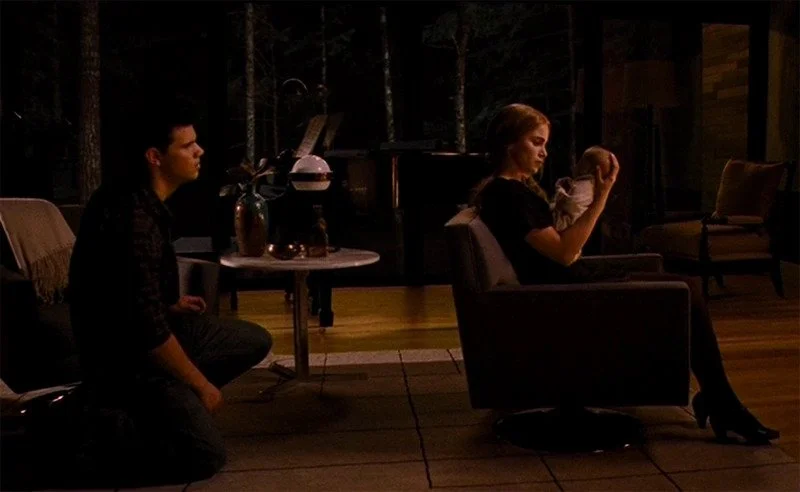
There’s really not too much to say about Breaking Dawn: Part 1 aside from it being a victim of a money grabbing release strategy. It has its flaws and positives, but many of them are shared with the other films. Jacob has lost all his charm by now, effects such as vampire speed are wonky (not to mention that new character), dialogue can be a bit awkward. On the bright side, Stewart does get to show a little more range as Bella at least, Robert Pattinson is at least trying a little harder than in New Moon, and it’s at least a little funny that all of the conflict for the next two movies happened because Bella was, to put it in polite terms, extremely horny.
Overall, not terrible enough to be worse than New Moon, not notable enough to be any higher in the ranking. Also Jacob imprinting on a newborn baby is never not going to be weird (kind of a criticism of the book this thing is based on, but I stand by it).
3. Breaking Dawn: Part 2: 3/10
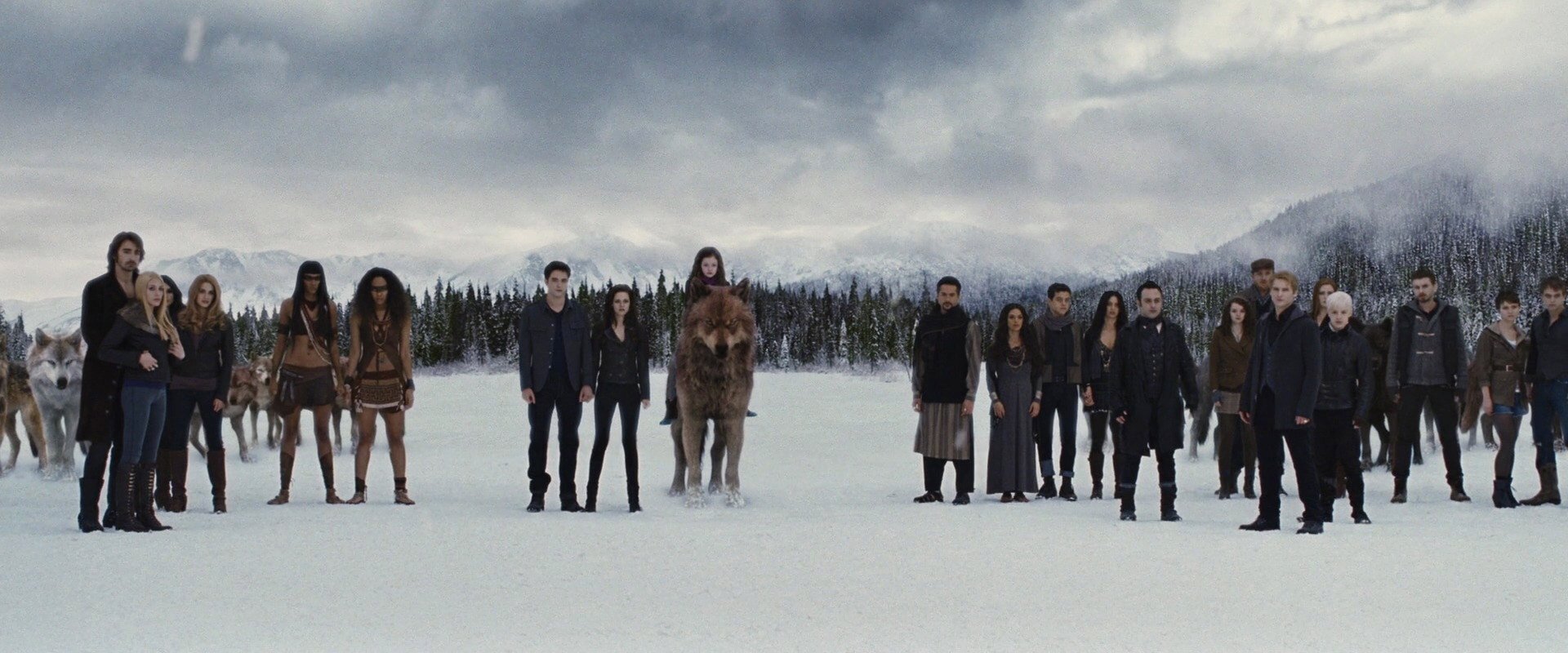
For all the criticism I give these movies, I have to give some credit to Breaking Dawn: Part 2. It did get a genuine reaction out of me during its final battle, in which several characters, including Edward’s incredibly likable father Carlisle, get brutally murdered. I was impressed by the willingness to go there after four movies of every main character getting away unscathed, and surprised by how the moments made me actually feel something.
And then they hit me with a goddamn vision fakeout.
My biggest criticism of Part 2 is that it is a deeply unsatisfying conclusion. It’s not because it didn’t end with action and violence, it’s because after all this build up, our big finish was essentially a mildly tense conversation, in which all of the involved parties decide to just walk away. This could maybe work as the ending to a penultimate film, but this is the finale to the entire series. This is our big finish. The conflicts don’t feel resolved. I would fully expect Michael Sheen and his vampire Vatican to continue to be a problem, but all they had to do was say “hey you don’t really have a reason to do the bad thing so go away” and they all buggered off, and DON’T EVEN MENTION HOW “the vision showed Aro that the fight would have killed him” because EVEN AFTER THAT HE WAS STILL WILLING TO FIGHT THE CULLENS OVER THE HUMAN VAMPIRE HYBRID. They resolved that by Alice showing up out of nowhere with another hybrid that wasn’t even a little built up, in a reveal that would be hilarious in how lazy the writing was, IF I WASN’T ALREADY SO INFURIATED.
Okay. I’m done complaining about the finale now. I’ll move on.
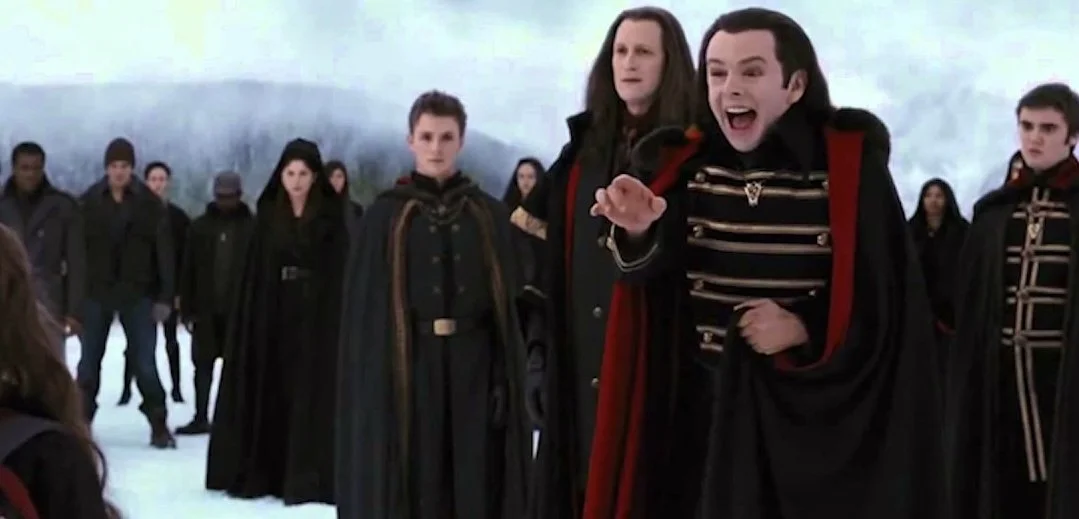
Beyond the standard issues, Part 2 falters as it drives the conflict away from the central Bella-Edward romance towards a wider conflict with Aro and the Volturi. The romance of course plays a part in that conflict, but our leads seem pushed to the background in favor of a conflict that’s had a much lesser presence in the series so far (the Volturi really only play a role in 3 out of 5 movies, and in 2 of them they don’t really influence the plot that much). All this to say, it feels like the main focus of Twilight, that being the relationship between Edward and Bella, had its story pretty much wrapped up when they got married, and then the Volturi and a ton of other random new characters, as well as some conflict concerning all of vampire culture got written in to make things feel more “epic” (yes I know the conflict regarding Aro forcibly recruiting powerful vampires into his Vatican was established 3 movies ago but no one seemed to be bothered by it until we needed an epic finale).
Breaking Dawn: Part 2 is dragged down very far by being an unsatisfactory conclusion in general, but has some high points. Michael Sheen as Aro (that one laugh being my new favorite thing), a genuinely well made finale (despite it being a fakeout), and Edward smirking as Bella yells at Jacob for falling in love with her baby.
2. Twilight: 4/10
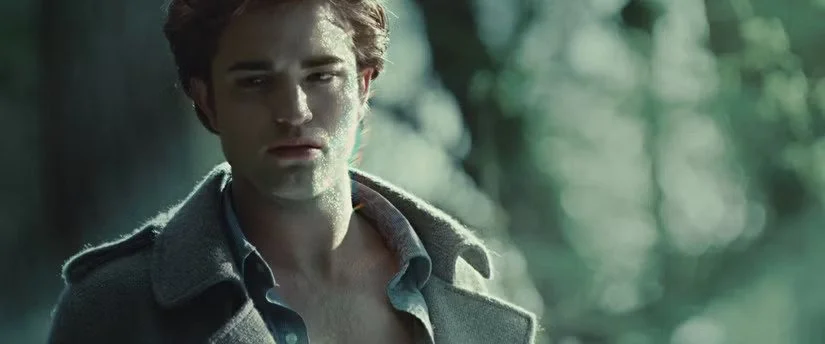
On a purely technical level, Twilight is not as good as its sequels. It’s full of utterly bizarre choices, from some of the silliest lines in the series, to random shot selections (for example, the scene in which Edward tells Bella to say what he is is intercut with several wide shots circling the area for no clear reason), to the ridiculous blue filter applied to the entire film. I won’t go so far to say it’s poorly made, but it’s definitely strange. However, it has two major advantages over the other movies. Twilight does have a distinct style that stands out more than the sequels, giving the film a more memorable identity. It’s also just really funny. Usually unintentionally so.
As I said at the start, Twilight was a punching bag in the late 2000s, and it’s kinda hard to argue with that. Twilight feels like a product of its time, having such a distinct sense of late 2000s high school melodrama. The film is incredibly self serious, so engulfed in how deep and intense its romance is that it feels like a parody. The trouble here is that the romance between Edward and Bella just doesn’t work. The film doesn’t sell their connection prior to their relationship, so it’s hard to see what makes them so attracted to each other. The film establishes little foundation for what becomes a deeply intense romance very quickly, and it’s this shaky foundation that dooms the entire series. Based on this movie, it’s hard to see why Bella and Edward are willing to die over this relationship later on.
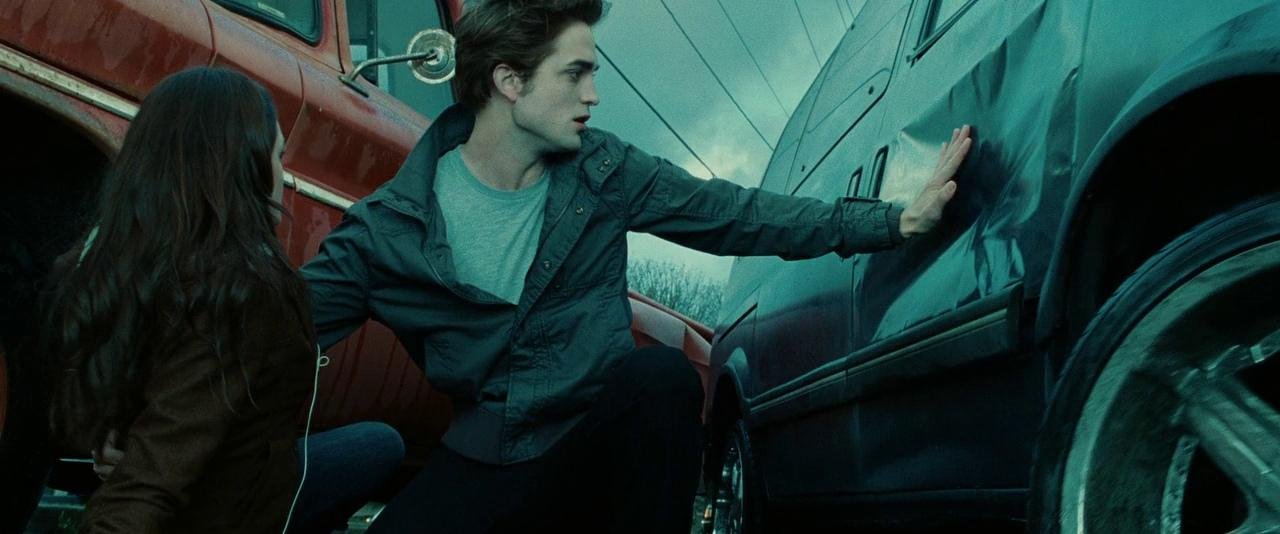
It should be noted that the rough start to the central romance in Twilight is not helped by the performances of Stewart and Pattinson, and once again I blame the writing and direction. Stewart in particular gives her worst performance because she feels held back by a script and a director that don’t let her do much beyond rapidly blinking, shakily breathing, and stuttering so much that she feels constantly uncomfortable, even when she’s in her very serious and deep relationship with Edward, keeping their connection from ever feeling genuine. I get a similar sense from Robert Pattinson, who at this point seems to have not yet given up trying to make Edward act like a real person, getting a couple fleeting moments to slip some genuine charisma into a scene. Of course, he is also ultimately limited by not being given much direction outside of being a mopey angsty teen and a script making Edward an absolute creep who keeps tabs on Bella and literally watches her sleep (not that the film treats this as a problem).
All this being said, Twilight isn’t the worst film I’ve ever seen (even without the ironic entertainment factor it’s certainly not the worst in the series). The criticism upon its release is hard to argue with, but at least I can look back and say perhaps we were all too harsh on it.
1. Eclipse: 5/10
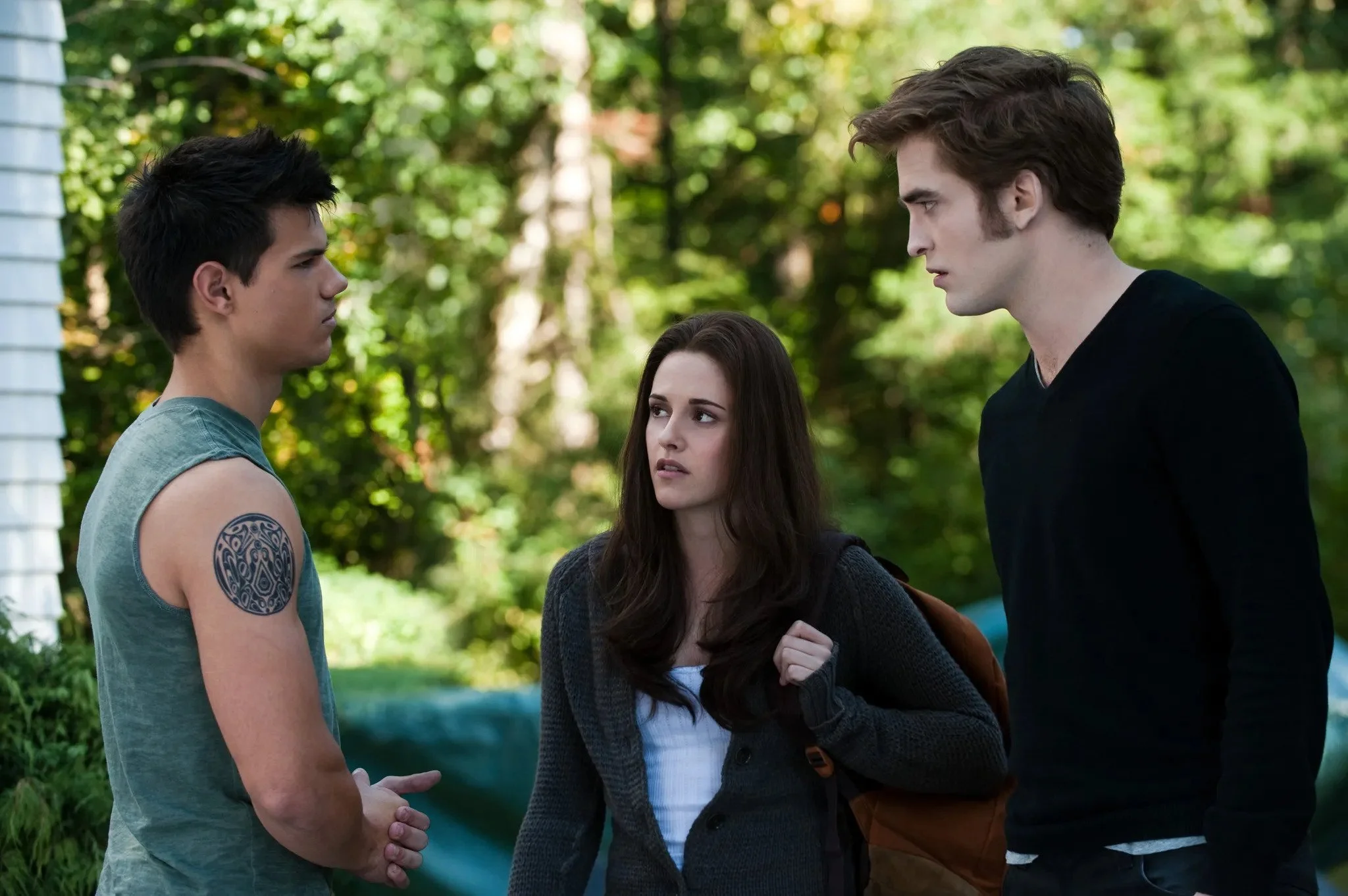
Eclipse surprised me with its genuine quality, and hopefully not just because I was coming off of New Moon before it.
There are of course still flaws. Effects are still wonky, lines are still rough, no one seems to have worked out that Taylor Lautner can’t convey anger well. But the character dynamics are easily at their best in the series here. The central romance still isn’t great, but Bella and Edward get at least a couple more opportunities to display some sort of connection. Kristen Stewart’s also at her best as Bella, as this is where she finally gets to start displaying some more range in her performance. Edward and Jacob also get a standout scene for me, where they have a discussion over their mutual dislike of each other and feelings for Bella. In short, this is the movie where the character interactions feel the most authentic.
I’m also going to share a probably controversial opinion here: Eclipse makes a better conclusion to the series than Breaking Dawn. For one thing, we get a much more concrete resolution, as the Cullens have to protect Bella from Victoria, a vampire she angered in the first movie that has been a consistent threat for the entire series thus far, and who provides a conflict that is suitably resolved by the ending. More importantly though, it feels like Bella gets an arc wrapped up in this movie, in which she decides she’s tired of people trying to decide her life for her, choosing Edward over Jacob and officially deciding she wants to be a vampire with him. This feels much more like a conclusion than a random conflict with the Vatican being solved by some guy appearing out of nowhere and everyone just going back to their lives. In all honesty, if this movie ended with Edward and Bella getting married and implying that Bella was going to be a vampire, and wrote out the Volturi, it would be a decent enough ending to the whole thing.
Yes, we would sacrifice Michael Sheen and his iconic laugh, but we’d also sacrifice Jacob falling in love with a baby, so personally I can live with that.
At the start of this, I felt it was fitting to give Cate a moment to share her thoughts on the film. When she sent me her work, included in the excerpt below, it caused me to think about some of my own opinions.
I’m a chronic re-watcher. For me, revisiting my favorite shows and films feels like returning to a place more than to a piece of media, or even to a piece of art. It feels like going home, which is complete and utter drivel, but is also, for better or for worse, true.
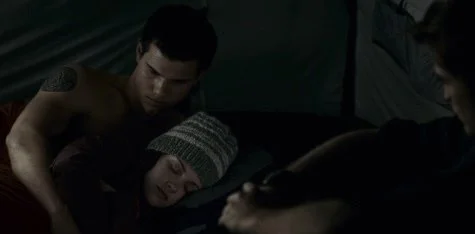
I reread books less frequently, due in part to the increasing stack of unread books on my shelf that comes from additionally being a chronic book buyer, but I hold on to books for a long time. Twilight was a significant series for me. For one, it was an early example of low stakes rebellion, as my grade was deemed too young to borrow the books from the school library, so I took them from the public library instead (the nerve). But more importantly, I remember these books being an early exploration in what love is, and what it can be. I remember sobbing while reading New Moon late at night, unable to put the book down but horrified at what Bella experienced when Edward left her. I remember reading Eclipse and thinking the scene in the tent, where Jacob has to save Bella from hypothermia, was the funniest thing known to literature. I remember being staunchly Team Edward, in the way that today I am staunchly Team Conrad (that is: correct). I remember being deeply sad when I finished the series, because it was over.
Twilight is not a perfect love story- I think we can all agree on that. I know, the imprinting thing is weird. Why is the baby named Rumpelstiltskin? Are we okay with Edward watching her sleep without her knowledge? What about Jacob’s insistence that she loves him, when the film provides absolutely zero evidence of this? Despite Will’s concern, I think his ranking is probably pretty accurate. I do, however, find it strange that we insist on holding media primarily directed at women to such a high standard when it comes to storytelling, morals, and, chiefly, logic. God forbid we ask the same of Marvel- can anyone actually explain the Quantum Realm? I get it, there are flaws. But to take these flaws at face value, and refuse to see nuance, either as a factor of the original source material or otherwise, is a reductive and, frankly, boring take. These are, first and foremost, stories. They’re fantasies. They’re not perfect, and they’re not lessons. I think that’s probably fine.
I won’t speak to the technical qualities of the films themselves, other than to say I will defend the soundtracks to the ends of the Earth. I don’t claim to represent the Twilight fandom. I don’t understand all the lore, I don’t remember every facet of the books, and I certainly didn’t invent Hoa Hoa season, but I still look forward to it every fall. It heralds the beginning of my favorite time of year, and over the 5 weeks where I watch each of the films, I get to revisit a place that not only reminds me of a simpler version of myself, but one that allows me to experience nostalgia and love, joy and sadness for and through these characters that feel like old friends. Every year when A Thousand Years starts to play, my heart breaks a little. It feels like the end of a journey, and one I won’t experience again for another year. So yes, the filters are strange and the effects aren’t perfect, some of the scenes are overacted and the plot has holes. But it will always move me. And I think, maybe sometimes, that’s all we can really ask of film.
My first instinct upon getting this was to craft arguments. But, the more I thought about it, I looked at her last point. Twilight moves Cate. Sometimes that’s all we can ask. We criticize film, and art, for the purpose of strengthening the art’s connections to society, to deepen our collective understanding of the art, and, when necessary, to address the flaws and by extension encourage stronger art in the future. However, far too often audiences find themselves attempting to use criticism to prove each other wrong. I’d be lying if I said I wasn’t guilty of this myself. I stand by my criticisms of Twilight. I hope that such criticisms can encourage stronger films that can connect with more people. But regardless of what I say, the Twilight Saga ultimately does connect with people. This doesn’t invalidate the critiques; in the same way critiques don’t invalidate the fans.
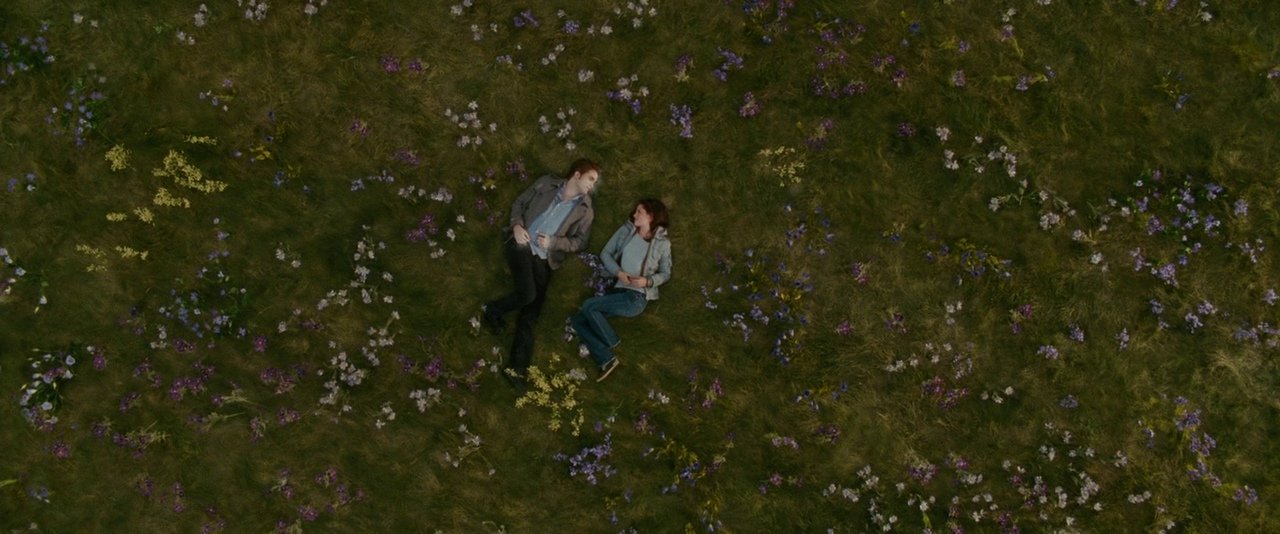
At the start I questioned if we treated these films unfairly in the past. I’m not sure we did (aside from when we casted the blame on the actors). But when we criticize people for liking the films, we defeat the purpose of film criticism entirely. Films and art in general connect, or don’t, with different people in different ways. That’s what makes it special. So in spite of my criticism, and that of many others, Twilight has value, simply because there’s a lot of people out there who it means something to. And I’d say that’s deserving of some respect.
Even though Edward likes to watch Bella sleep.